
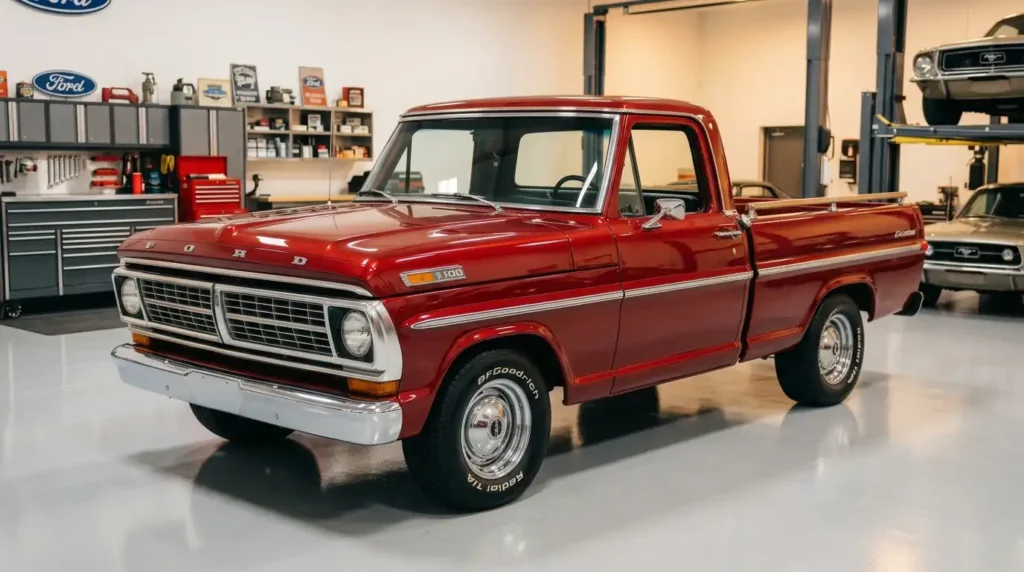
Finding your dream truck—whether it is a beautifully patinated 1950s workhorse or a sleek, restomodded C10—is an exhilarating milestone. However, the vintage and custom truck market can be a minefield of hidden rust, hasty repairs, and questionable mechanical modifications. Before handing over your hard-earned money, you need a systematic pre-purchase strategy to separate a genuine classic from a costly project car in disguise.
To help you navigate the buying process with confidence, we compiled The Dream Truck Checklist: a comprehensive 7-step pre-purchase guide to inspecting any classic or custom pickup truck before making an offer.
1. Frame & Structural Integrity Inspection
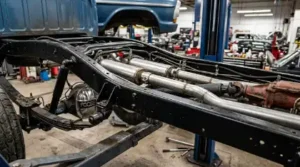
The chassis forms the structural foundation of every truck. A compromised body panel can be replaced, but a bent, cracked, or severely rusted frame significantly compromises safety and drivability.
Crawl underneath the vehicle with a bright flashlight and inspect the length of both frame rails. Pay close attention to:
- Structural Rust Scaling: Surface rust is common on older vehicles, but heavy flaking or deep pitting that weakens the steel thickness is a major red flag.
- Cracks and Stress Fractures: Look carefully around steering box mounts, spring hangers, and crossmembers—areas subjected to high torsional stress.
- Previous Repair Quality: Check for crude patch welds or misaligned sectioning. Proper repairs should be performed by experienced fabricators adhering to standards outlined by safety institutions like the National Highway Traffic Safety Administration.
2. Body Panels & Hidden Rust Detection
Classic pickup trucks were designed as utility vehicles and exposed to decades of moisture, mud, and road salt. Certain areas on vintage trucks are infamous for trapping debris and rusting from the inside out.
Systematically inspect key trouble areas, including cab corners, rocker panels, floor pans, lower door seams, and inner fender wells. Bring a small, cloth-wrapped magnet along during your walkthrough. If the magnet drops away from a steel body panel, it indicates thick layers of plastic body filler (Bondo) masking severe rust or collision damage beneath the paint.
3. Engine & Drivetrain Verification
Whether you are inspecting an original “numbers-matching” engine or a modern V8 crate engine swap, the mechanical health of the powertrain dictates your immediate post-purchase investment.
Always insist on performing a cold start. Touch the exhaust manifold prior to starting the engine to ensure the seller did not warm it up prior to your arrival. Cold starts reveal worn valve guides, head gasket leaks, carburation issues, and oil pressure delays that disappear once an engine reaches operating temperature.
Additionally, pull the engine dipstick and oil cap. Milky oil indicates coolant contamination from a cracked block or blown head gasket. Check the transmission fluid as well; dark or burnt-smelling fluid points toward neglected maintenance or slipping clutches.
4. Suspension Geometry & Steering Alignment
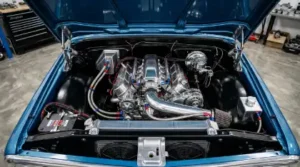
Custom trucks often feature altered ride heights, ranging from slammed air-suspension setups to aggressive lifted suspensions. Improperly executed suspension modifications can severely degrade ride quality and endanger occupants.
Inspect steering components for excessive play or binding. Look at ball joints, tie rod ends, and control arm bushings for cracked rubber or leaking grease. When inspecting lifted or lowered trucks, check the driveshaft angles (U-joint alignment) and track bar geometry. Incorrect angles cause drivetrain vibrations, accelerated bearing wear, and dangerous handling characteristics like bump steer.
5. Electrical & Wiring Harness Quality
Factory wiring harnesses in classic trucks were never engineered to support modern accessories, high-draw stereo systems, or aftermarket EFI systems. Decades of DIY modifications frequently result in dangerous electrical setups.
Inspect the engine bay and the area under the dashboard near the fuse block. Watch out for:
- Uncapped, exposed wires or loose wire nuts.
- Mismatched wire gauges or excessive electrical tape.
- Absence of inline fuses or relays on high-draw accessories (electric radiator fans, aftermarket fuel pumps, LED light bars).
Poorly installed electrical systems are one of the leading causes of classic car fires. If the wiring resembles a disorganized bundle of loose wires, budget for a complete aftermarket chassis harness replacement.
6. Documentation, VIN Plate & Title Verification
Administrative issues can turn a dream purchase into a legal nightmare. Before closing any deal, meticulously verify the vehicle’s documentation against the physical truck.
Locate the Vehicle Identification Number (VIN) plate—typically stamped on the driver’s door pillar, frame rail, or firewall—and ensure it matches the title word-for-word. Check for signs of tampering, fresh pop-rivets, or reproduction VIN tags. If you are buying across state lines, consult consumer resources like the Consumer Financial Protection Bureau or your local Department of Motor Vehicles (DMV) to understand title transfer requirements, lien verification, and bill-of-sale protocols.
7. The Comprehensive Road Test
Never buy a classic or custom truck without taking it on a thorough, 15-to-20-minute test drive covering both low-speed city roads and highway speeds.
During the drive, turn off the radio and focus on the vehicle’s feedback:
- Braking Performance: Does the truck pull to one side under hard braking? Does the pedal feel firm or spongy?
- Temperature Management: Watch the coolant temperature gauge while idling at traffic lights to test cooling capacity.
- Transmission & Differential: Listen for gear whine, clunking during gear shifts, or slipping under load.
Final Thoughts: Buy with Your Head, Not Just Your Heart
Falling in love with a classic pickup’s styling or exhaust note is easy, but a methodical pre-purchase inspection protects your financial investment. If a seller hesitates to let you inspect the undercarriage or take a extended test drive, walk away—there is always another great truck down the road.