
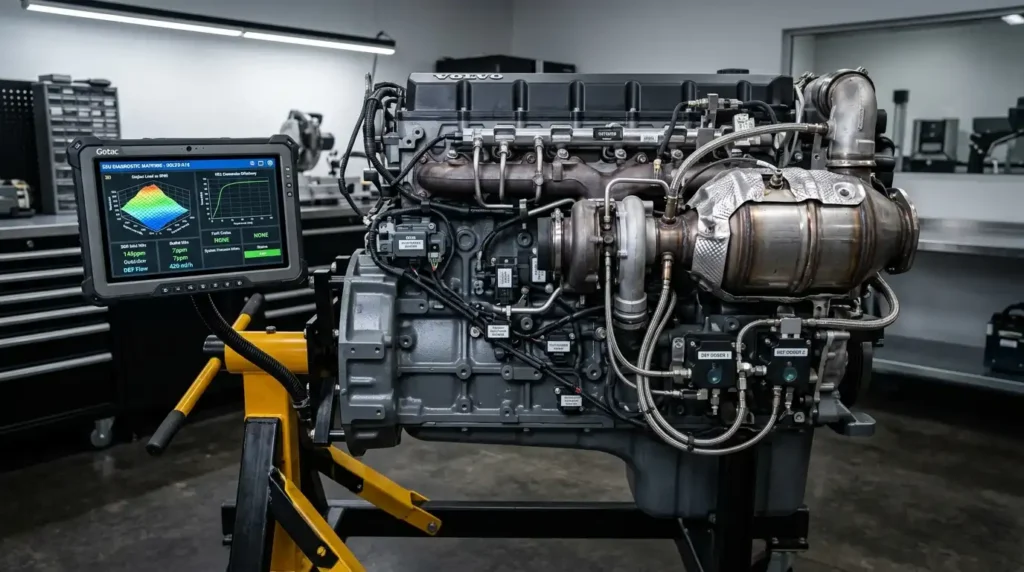
For fleet managers, independent operators, and performance enthusiasts, this is far more than a simple regulatory update—it is a fundamental overhaul of how modern diesel and gasoline truck engines are designed, monitored, and tuned. The era of raw, unconstrained engine tuning is yielding to an age of hyper-precise, sensor-driven engine management.
Navigating the intersection of clean truck standards and heavy duty performance requires a deep understanding of how new emissions hardware works, how engine control units (ECUs) enforce compliance, and how aftermarket builders can maximize torque, horsepower, and reliability without running afoul of federal mandates.
Understanding the 2026/2027 EPA Heavy-Duty Mandate
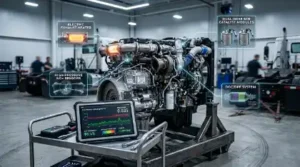 To grasp how these rules alter engine tuning, one must first look at what the EPA guidelines require from truck manufacturers. Previous emissions standards focused heavily on steady-state highway driving cycles tested in controlled laboratory environments. The updated clean truck framework radically expands compliance criteria into real-world operating scenarios:
- Low-Load and Idle Testing: Trucks must now demonstrate strict $ suppression during extended idling, stop-and-go urban transit, and low-speed operation where exhaust temperatures traditionally drop.
- Dual-Dose SCR and Thermal Management: To maintain high catalyst efficiency during low-load periods, manufacturers are introducing dual-dosing Selective Catalytic Reduction (SCR) systems and electric exhaust heaters to keep aftertreatment temperatures optimal.
- Cylinder Deactivation (CDA): Heavy-duty diesel platforms are increasingly adopting cylinder deactivation technology during light loads to maintain high exhaust gas temperatures and improve overall fuel economy.
- Expanded In-Use Compliance: On-board diagnostics (OBD) systems are recalibrated to monitor real-world tailpipe output continuously, reducing allowable margins for sensor drift or component degradation.
These hardware additions mean that tomorrow’s trucks carry more complex exhaust architecture, multiple temperature and sensors, and intricate software algorithms designed to preserve emissions compliance across every operating phase.
How Next-Gen Rules Are Changing the Performance Tuning Landscape
For decades, traditional heavy-duty performance tuning relied on relatively straightforward modifications: increasing fuel rail pressure, extending injector duration, advancing ignition or injection timing, and raising turbocharger boost pressures. In older platforms, these changes yielded massive gains in low-end torque and towing performance, often at the expense of higher exhaust gas temperatures (EGTs) and elevated tailpipe emissions.
Under the new EPA standards, that brute-force approach is obsolete. Modern engine management architectures interlock powertrain controls directly with aftertreatment performance. Modifying one parameter without accounting for downstream emissions systems creates immediate operational friction.
1. The Shift to Closed-Loop Engine Architecture
Next-generation heavy-duty ECUs operate on complex closed-loop feedback loops. Instead of simply delivering a pre-programmed fuel map based on throttle position and intake pressure, the computer continuously checks downstream sensors, Diesel Particulate Filter (DPF) differential pressure, and SCR bed temperatures. If custom tuning causes an unexpected spike in raw engine-out emissions, the ECU detects that the aftertreatment system cannot process the volume and triggers a diagnostic trouble code (DTC).
2. Advanced Anti-Tampering Protocols and Encrypted ECUs
To meet EPA certification requirements, engine manufacturers have implemented multi-layered cybersecurity and encrypted seed-key protocols inside vehicle control modules. These encrypted gateways prevent unauthorized flashes and detect spoofed sensor signals. Attempting to override emissions controls often forces the engine into derate modes, severely limiting horsepower and vehicle speed until factory parameters are restored.
3. Thermal Balance and Turbocharger Stress
Because new engines rely on elevated exhaust temperatures to keep SCR catalysts active during low-load operation, aftermarket tuners must manage thermal loads with extreme precision. Excessive heat from aggressive fuel mapping can damage expensive dual-dose SCR substrates or cause rapid thermal fatigue in variable-geometry turbochargers (VGTs).
Compliant Strategies for Maximizing Heavy-Duty Performance
While traditional emissions-delete methods are legally non-viable and technically incompatible with modern vehicle electronics, performance tuning is far from dead. In fact, clean-emissions tuning—often referred to as emissions-compliant tuning—has matured into a highly sophisticated discipline.
Professional tuners and performance engineers are finding significant horsepower, torque, and efficiency gains by working with the factory emissions framework rather than attempting to bypass it:
Optimized Airflow Management
Engine efficiency begins with volumetric efficiency. High-flow intake systems, upgraded intercoolers, and optimized intake manifolds lower charge-air temperatures without altering fuel-to-air ratios. Cooler, denser air allows the engine to burn fuel more completely, generating higher combustion torque while actually reducing raw soot output sent to the DPF.
Precision Calibrations and Efficiency Maps
Modern emissions-compliant recalibrations focus on optimizing the efficiency of the factory injection event. By fine-tuning pilot, main, and post-injection timing within legal thresholds, tuners can improve throttle response and low-end torque for heavy towing while keeping exhaust temperatures within safe operational windows for the aftertreatment system.
Upgraded Exhaust Backpressure Handling
High-efficiency, emissions-compliant exhaust components—such as high-flow DPF units and engineered downpipes—reduce backpressure behind the turbocharger. Lowering restriction allows the turbo to spool faster, improving boost response without increasing fuel consumption or triggering sensor faults.
Fleet Operations and Long-Term Asset Protection
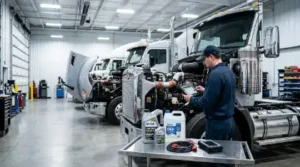 For fleet operators and commercial truck owners, adapting to the 2026/2027 regulatory environment requires a shift in maintenance philosophy. Because new trucks incorporate longer manufacturer emissions warranties and extended useful life expectations, keeping aftertreatment components healthy directly impacts long-term operating costs.
Key operational practices include:
- Strict Adherence to Fuel and Oil Specifications: Using low-SAPS (Sulfated Ash, Phosphorus, and Sulfur) engine oils is mandatory to prevent premature ash accumulation in advanced particulate filters.
- High-Quality DEF Selection: Dual-dosing SCR systems consume Diesel Exhaust Fluid (DEF) at higher rates during low-load operation. Using pure, uncompromised DEF prevents fluid crystallization and sensor fouling.
- Proactive Diagnostic Scans: Routine monitoring of soot load percentages, regeneration frequencies, and sensor response times helps identify minor component wear before it leads to costly downtime or engine derate events.
The Future of High-Performance Trucking
The implementation of the 2026 and 2027 EPA Clean Truck Standards represents a pivotal evolutionary step for heavy-duty automotive engineering. While stricter regulations bring added electronic complexity and higher hardware demands, they also drive incredible innovation across the performance aftermarket.
By shifting focus toward emissions-compliant tuning, optimized airflow, and precise ECU recalibration, truck owners can enjoy robust towing power, crisp throttle response, and uncompromised engine longevity while remaining fully compliant with federal standards.