
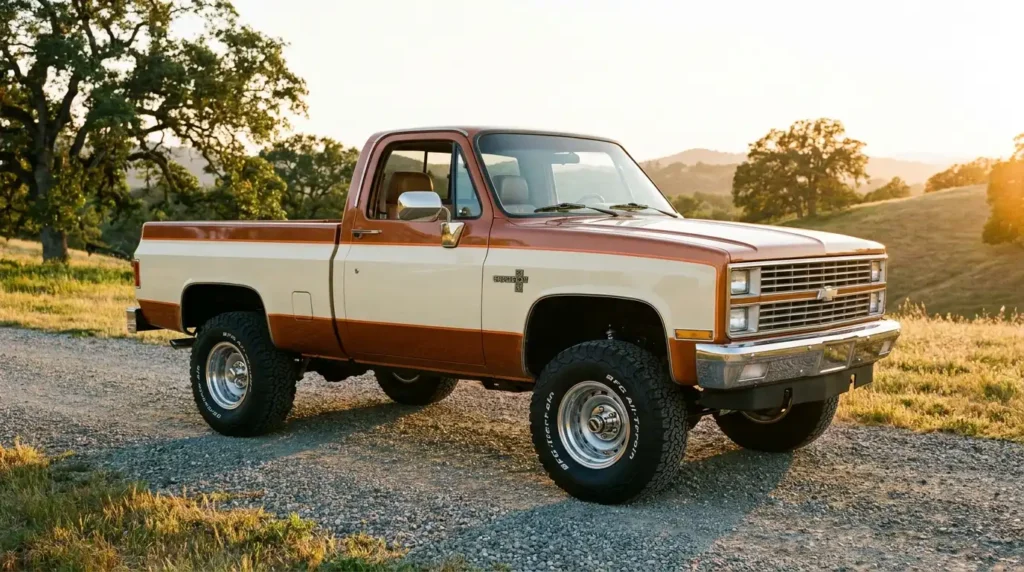
For decades, the trajectory of the custom classic truck scene—particularly regarding the iconic 1973–1987 GM Squarebody generation—could be summarized in three words: low, lower, and slammed. Enthusiasts and elite builders routinely competed to see who could lay frame flat on the asphalt, utilizing complex air ride systems, deeply notched frames, and aggressively tubbed bed floors to achieve a slammed aesthetic. While these low-slung C10s remain undeniably striking as static showpieces, a profound philosophical shift is occurring within the restomod community.
The era of sacrificing your lower back for the sake of a low stance is rapidly drawing to a close. Today’s high-end truck collectors and daily drivers are shifting toward a new design principle: premium ride quality, functional clearance, and uncompromised real-world utility. This movement, known as the “Un-Slammed” evolution, has driven a massive spike in demand for lifted 2WD Squarebodys and highly engineered, comfort-forward chassis replacements. Truck owners are rediscovering the rugged, commanding presence of a lifted stance, proving that a classic truck can look incredibly aggressive while performing with the luxury and refinement of a modern utility vehicle.
The Demise of the “Trailer Queen”: The Demand for Real-World Drivability
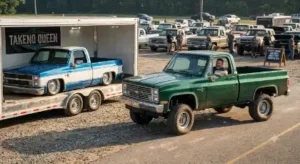
The catalyst behind this evolution is a simple change in how owners want to interact with their vehicles. While a slammed truck looks spectacular on an indoor showroom floor, navigating it through actual city streets, steep driveways, speed bumps, and poorly paved highways can be an stressful ordeal. Air bags can leak, low-hanging exhaust systems scrape, and ultra-low suspension geometry often results in a harsh, unforgiving ride that tires out the driver after just a few miles.
Modern classic truck enthusiasts no longer want “trailer queens” that are merely pushed from an enclosed transport onto a grass field. They want to drive their custom commissions across state lines, power through weekend road trips, and confidently pull up to events without checking road clearances beforehand. The market is aggressively favoring build styles that prioritize comfort, longevity, and high-speed stability over extreme, impractical lowering. By lifting the truck back to its intended functional height—or higher—builders unlock the chassis geometry needed to absorb real-world road imperfections with ease.
The Anatomy of a Modern Comfort Chassis
Achieving modern luxury ride quality in a 40-year-old pickup involves far more than simply bolting on a generic leaf-spring lift kit from a local catalog. Traditional vintage lift kits were notorious for creating a rigid, bouncy, and fatiguing ride. The modern “Un-Slammed” movement bypasses these old limitations by pairing classic GM sheet metal with highly advanced, laser-cut aftermarket chassis systems from elite engineering firms like Roadster Shop, Velocity, and Scott’s Hotrods.
A modern daily-driver comfort chassis completely transforms the vehicle’s driving dynamics through several key engineering upgrades:
- Fully Boxed Frames: Standard factory Squarebody frames were built using an open C-channel design, which allows for significant chassis flex and twisting under modern V8 torque. Advanced replacement chassis feature fully boxed, high-strength steel rails that eliminate flex, providing a rock-solid platform that completely transforms how the truck handles corners.
- Independent Front Suspensions (IFS): By replacing outdated solid axles or basic factory control arms with precision-engineered independent front suspension systems, builders allow each front wheel to react to road surfaces independently. This setup eliminates tracking errors and keeps the steering wheel perfectly calm, even over rough pavement.
- Adjustable Coilovers or Bypass Shocks: The integration of high-performance adjustable coilovers (such as Fox or RideTech) allows builders to fine-tune the rebound and compression settings of the suspension. This engineering ensures the truck glides smoothly over highway dips while maintaining firm, predictable body control during cornering.
- Rack-and-Pinion Steering: Replacing the vague, sloppy factory steering gearbox with a modern power rack-and-pinion system delivers sports-car-like steering precision, making a classic truck incredibly easy to maneuver through tight parking lots or down twisting country roads.
The Rise of the 2WD Lifted Setup: Rugged Stance Meets Efficient Cruising
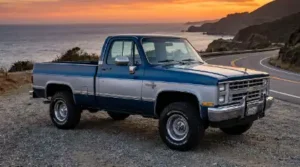 One of the most fascinating aspects of this evolution is the skyrocketing popularity of lifting two-wheel-drive (2WD) platforms. Historically, if an enthusiast wanted an aggressive, high-riding truck, they immediately looked for a factory 4WD K10 or K20. However, custom builders are increasingly selecting 2WD C10 platforms and giving them leveled, pre-runner, or subtly lifted stances.
Why choose a 2WD platform for a lifted build? The answer lies in mechanical simplicity, packaging, and efficiency. A lifted 2WD Squarebody lacks the heavy front differential, transfer case, and complex front drive axles of a 4WD truck. This weight reduction translates to sharper steering response, fewer mechanical wear items, and substantially better fuel economy when paired with a modern fuel-injected crate engine like an LS3 or LT1. For owners who love the muscular, towering look of an off-road truck but plan to spend 99% of their time on paved roads, a lifted 2WD setup offers the perfect compromise: aggressive, rugged styling outside, with a smooth, lightweight, and highly efficient drivetrain underneath.
Restomod Configurations: Matching Form with Uncompromising Function
The “Un-Slammed” shift has given rise to distinct build tiers within high-end truck restorations, allowing clients to tailor their vehicles to their exact lifestyle demands:
| Build Style | Suspension & Chassis Setup | Stance & Aesthetic Appeal | Primary Intended Use |
|---|---|---|---|
| Heritage Restomod | Stock frame heavily updated with modern bushings, heavy-duty sway bars, and premium gas shocks. | Factory-correct ride height or a subtle 1-2 inch leveling kit with classic rally wheels. | Purist weekend cruising, local car shows, and preserving absolute nostalgic authenticity. |
| Performance Touring | Full aftermarket boxed chassis, independent front suspension, rack-and-pinion steering, 4-link rear coilover setup. | Clean, level stance with modern high-performance wheels and low-profile street performance tires. | Long-distance interstate touring, daily commuting, and high-speed highway driving. |
| Terrain Overlander | Heavy-duty 4WD chassis or long-travel 2WD suspension lift with advanced internal bypass shocks. | Aggressive 3-5 inch lift, wide fender clearances, and rugged all-terrain or mud tires. | All-weather driving, light off-roading, ranch work, and commanding road presence. |
Embracing the New Era of Classic Trucks
The “Un-Slammed” movement is a natural maturity of the classic truck hobby. It acknowledges that while making a truck look extreme is fun for a show, building a truck that is an absolute joy to drive is what keeps the passion alive for the long haul. By combining the legendary, chiseled sheet metal of the GM Squarebody with modern high-performance chassis engineering and practical lifted stances, builders are creating a superior class of restomod.
These trucks no longer force the driver to choose between style and substance. Whether it is a clean, leveled 2WD cruiser or a full-chassis overlander, the shift toward functional height and luxurious ride quality ensures that these iconic American pickups will remain firmly on the road—and out of the trailers—for decades to come.